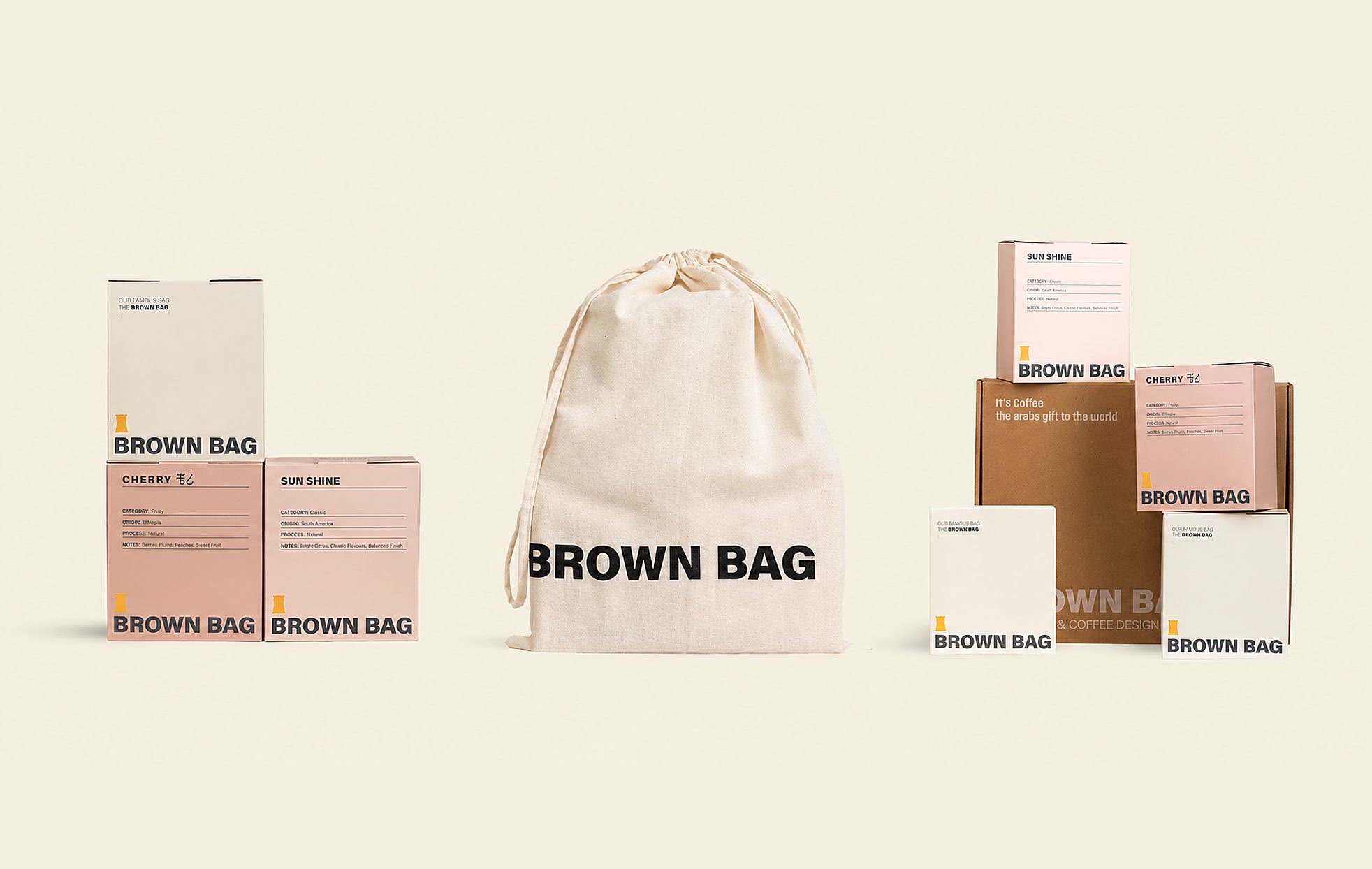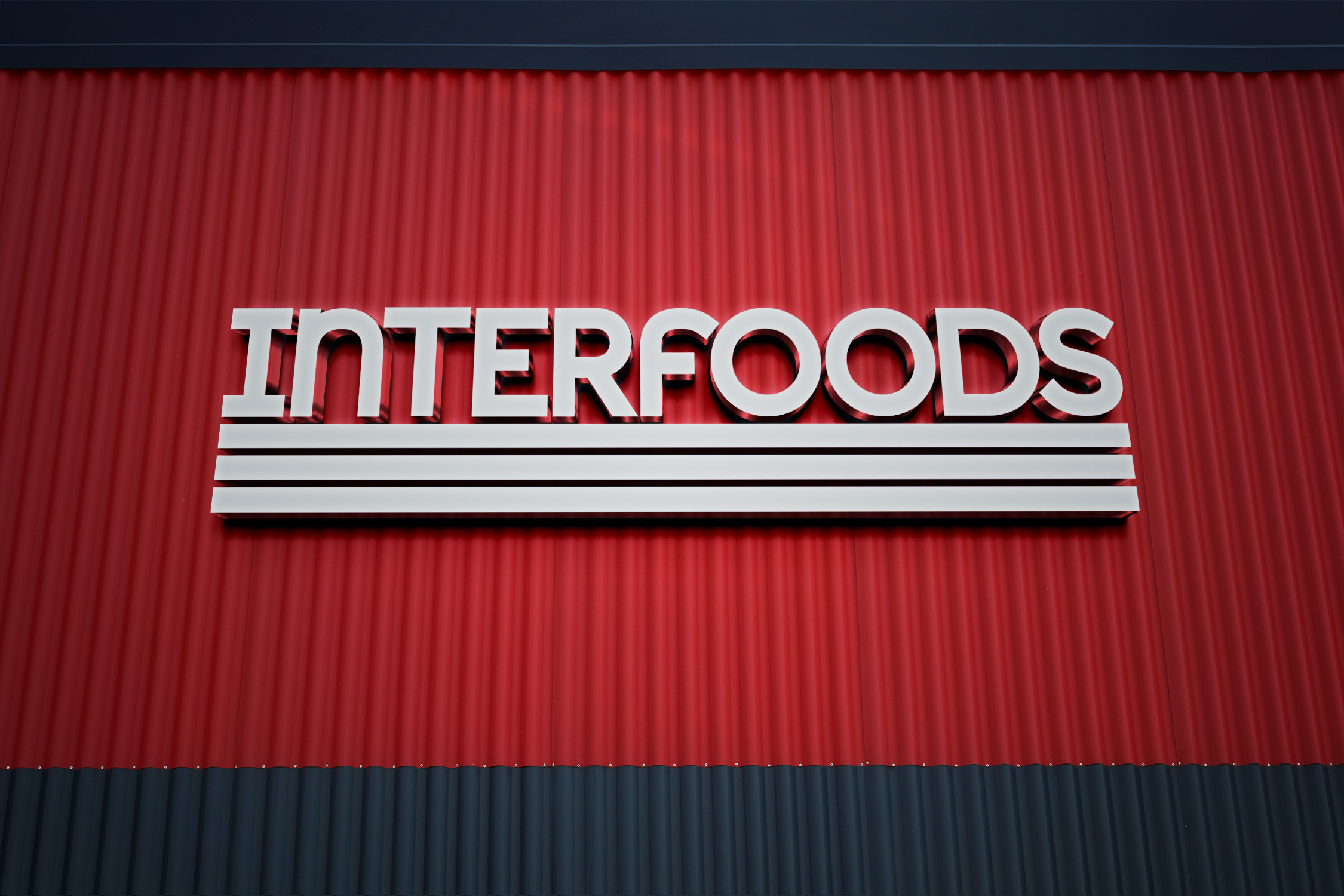
A supplier that doesn’t compete with its buyers. Brand strategy and integrated communications for a B2B food supplier turning a structural conflict into a competitive advantage on the US retail market.
Interfoods came to us as a B2B food supplier with American retailers in their sights, an ambitious go-to-market plan, and one structural problem they couldn’t engineer around: their own brand also ran a B2C e-commerce arm — selling directly to the consumers the retailers depend on for revenue.
The mandate from day one was to build a brand and a communication system that wins retailer trust without asking Interfoods to walk away from a B2C channel that was already working. Strategy, comms framework, advertising approach — plus the operational layer behind it — owned across the engagement.
The retailers Interfoods needed to court could read the situation in five seconds. A supplier with its own DTC store is, by default, a competitor in disguise — and a category buyer with twenty options doesn’t waste an afternoon hearing out a vendor they’d have to justify internally.
The strategic question wasn’t how to apologise for the B2C arm. It was how to turn it into a reason for retailers to lean in. We had to build a positioning that reframed the entire relationship — and a communication system that proved it across every touchpoint.
We started by sitting with the data: who Interfoods’ DTC customers actually were, what they bought, and where they overlapped — or didn’t — with the retail audience. Three distinct buyer worlds came into focus, only one of which retailers were actually competing for. The conflict was real on the surface. Strategically, it was much smaller than it looked.
From there, the positioning was built around a single, defensible idea: Interfoods isn’t a competitor that happens to be a supplier — it’s a supplier with the consumer insight a retailer would normally have to pay a research firm to get. The DTC arm became the proof, not the problem.
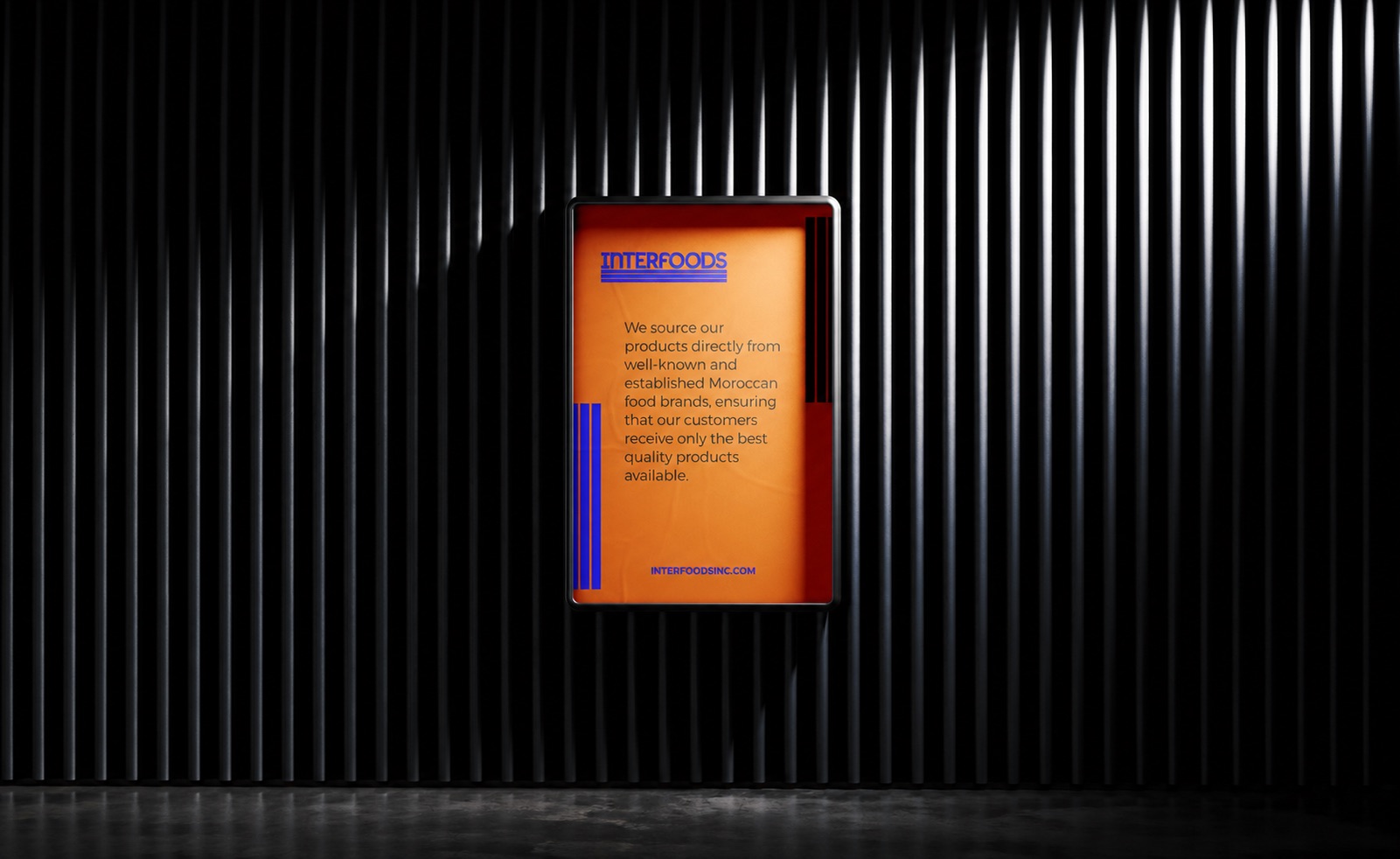
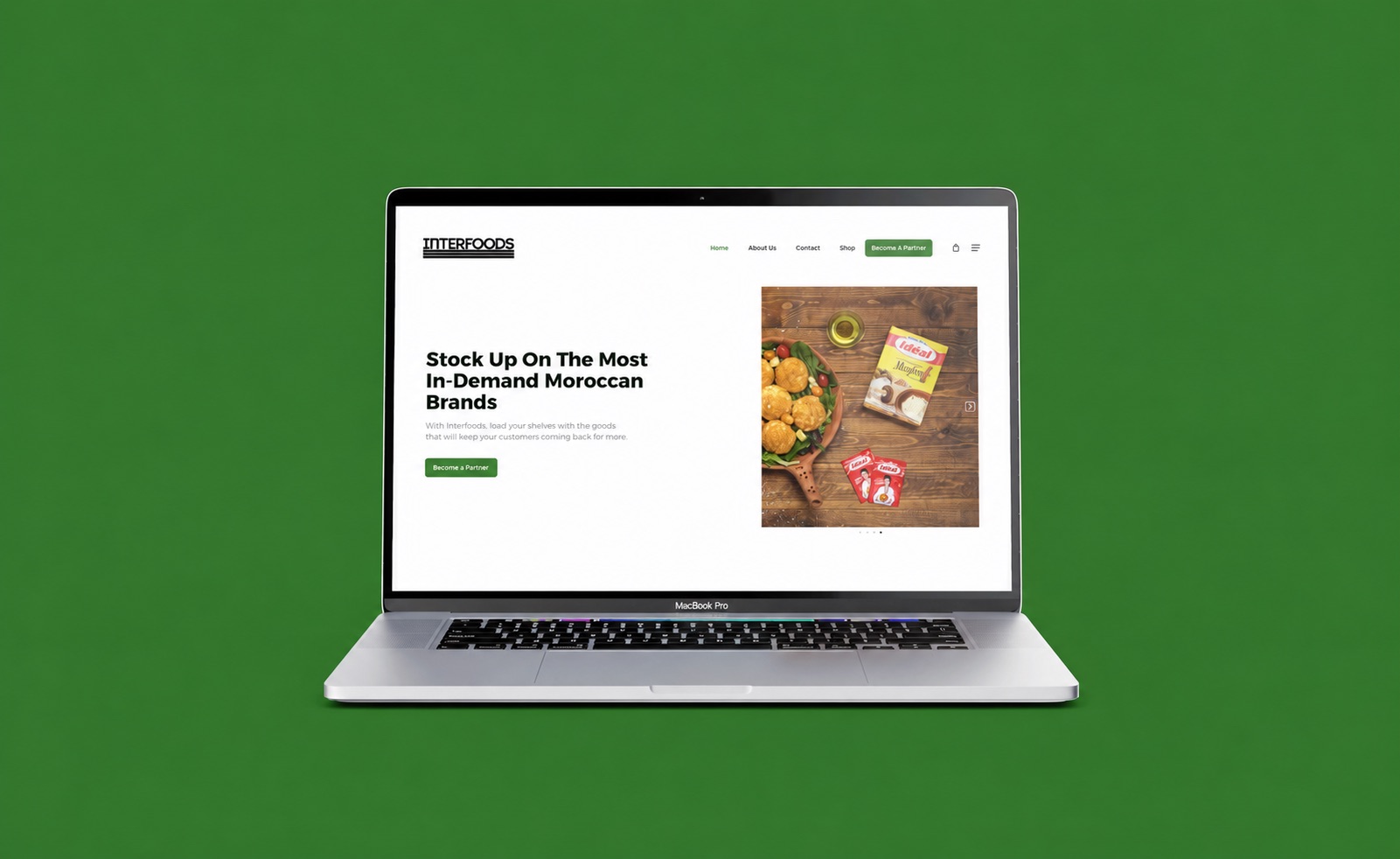
We translated that conviction into the commercial layer: affiliation programs that let retailers earn from Interfoods’ digital traffic, loyalty mechanics that pushed consumer activity back to retail partners, and a partner story that put both sides on the same side of the table. The narrative then ran through every channel we built — website UX and copy, email campaigns, social, advertising, and a content + photography direction tight enough that every touchpoint sounded like the same brand making the same promise.
Five principles gave the brand its discipline — a way for the team to keep the work on-brand across every retailer pitch, every newsletter, every product drop.
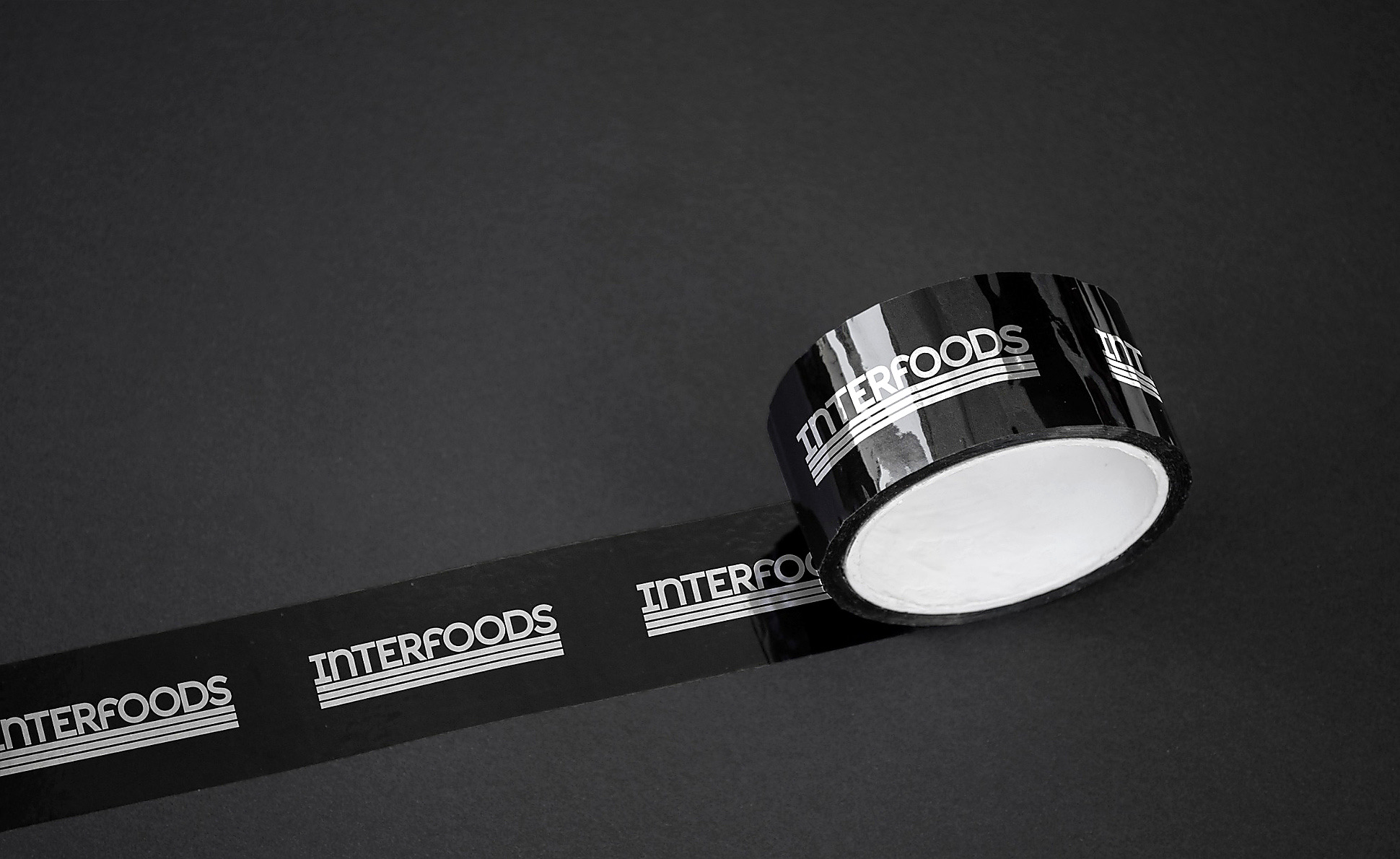
Interfoods now enters retailer conversations with a clear, defensible story — and the data to back it. The B2C arm went from being the question retailers raised in the first meeting to being the reason they stayed in the second. Affiliation and loyalty mechanics gave the partnership a tangible shape from day one; the integrated communication system meant every later touchpoint reinforced the same conviction without the team having to re-explain it.
A foundation built to compound across every retailer onboarded, every campaign run, every market entered next.